Digital Technicolor
April 7, 2011
I think 3-Strip Technicolor films deserve as much of nostalgia's warm embrace as vinyl records. Webcams and mp3s are completely ubiquitous, but their predecessors (and distant ancestors) still hold a certain charm. So, for Eric Rosenthal's Digital Imaging class I created a few digital images using a process similar in spirit to that of old Technicolor films.
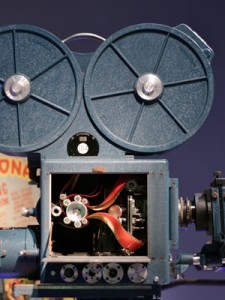
The Technicolor process was revolutionary in its time, using a complex optical system to separate light into three color channels (red, green, and blue) and record them on separate strips of black and white film. This allowed for incredibly vibrant and stable color reproduction that became the gold standard for Hollywood films from the 1930s through the 1950s.
In my digital interpretation, I explored similar color separation techniques using modern digital tools, attempting to capture some of that same magic and attention to color detail that made Technicolor films so visually striking. The process involved careful color channel manipulation and selective enhancement to achieve the rich, saturated look characteristic of classic Technicolor cinematography.
This project was part of my exploration into the intersection of analog film techniques and digital imaging, looking at how historical processes can inform and enhance modern digital workflows. The Technicolor process, with its emphasis on color fidelity and visual impact, continues to influence how we think about color in digital media today.