Machine Learning, Ahistorical Design & the Limits of Conventional Wisdom
January 6, 2018
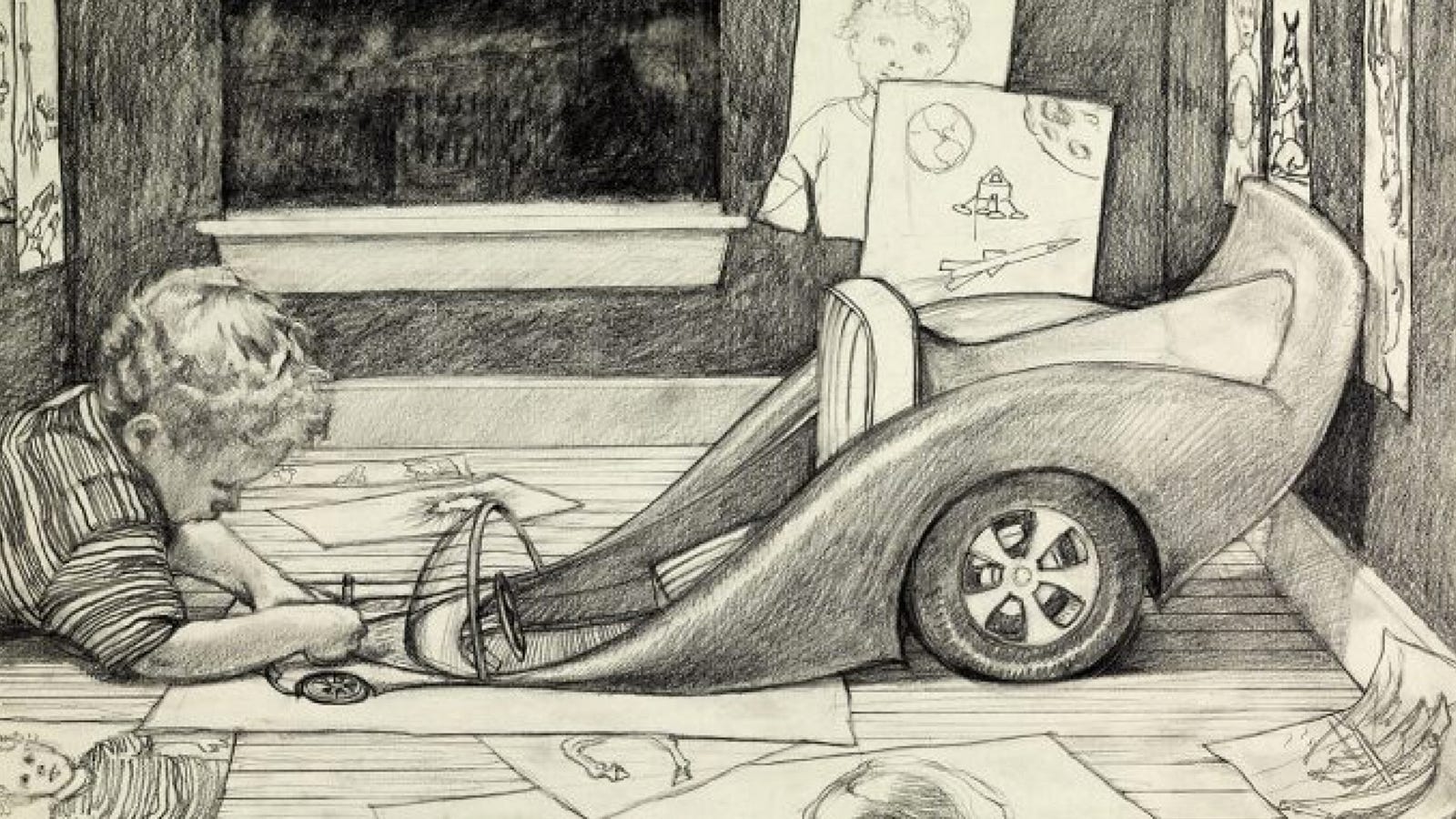
Paper is the ultimate open-ended material. We didn’t become any freer when we went to computer-based design.
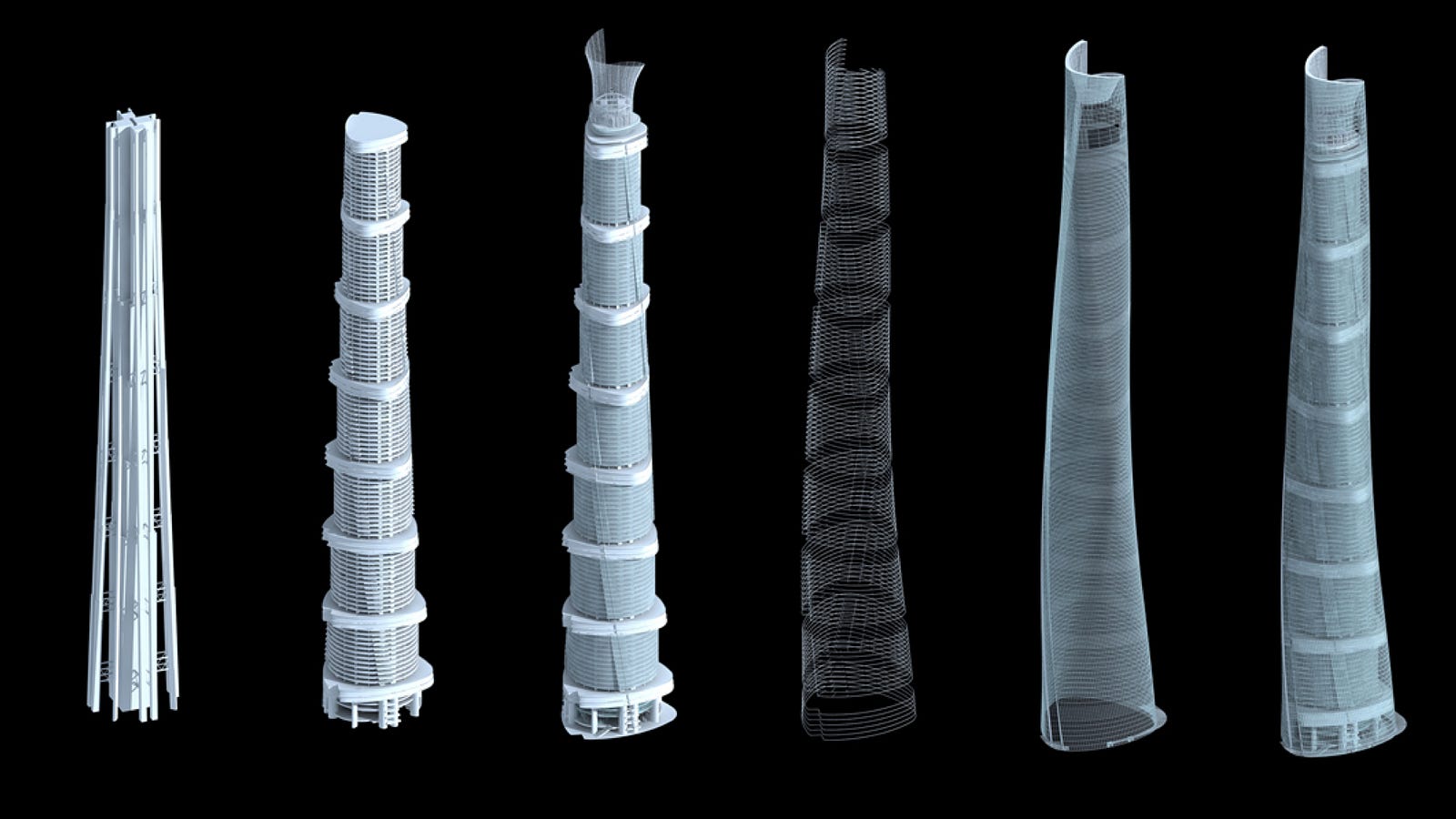
To the contrary, computers help us to think bigger because they enable us to scaffold our constraints.
CAD tools allow us to model physical and material properties that help us to test whether an idea will work in the real world.
Through this, we can probe and scaffold our way towards the building of things that are too complex to model in our heads.
But, herein lies the problem…
Since we cannot easily reason or speculate about what might work in such complex domains, we can only probe new possibilities through a kind of guess-and-check interaction with the modeling software.
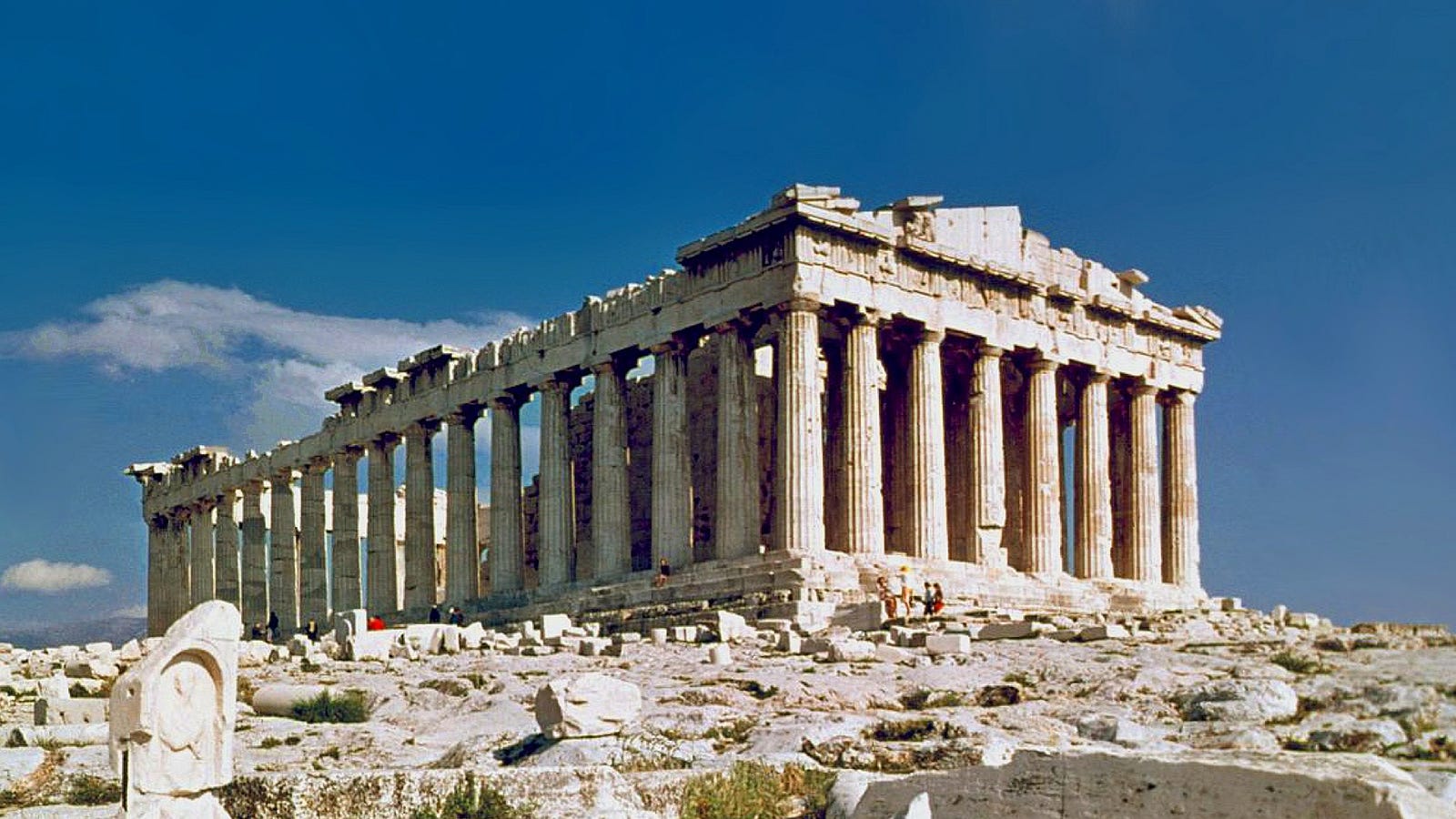
Naturally, these probes must originate from something we understand and can imagine: the conventional wisdom handed down through the ages.
If we could see outside this lineage and explore the full possibility space made accessible to us by modeling tools, we might find incredibly elegant or optimal new solutions to countless problems.
Unfortunately, it is virtually impossible for us to see outside of the historical lineage in anything other than an iterative (and therefore historical) manner.
Then suddenly, machine learning comes along…
Now we not only have machines that can simulate the world, we also have machines that can speculate about it and search the possibility space in a completely unemotional way — with no regard for how others have solved problems in the past and guided only by a quest for the optimal solution.

To understand the impact of this, let’s look at the recent accomplishments of a board-game-playing artificial intelligence.
People have been refining strategies for the game of Go for nearly 3,000 years. Then DeepMind built a Go-playing system and challenged the world’s best human player.
Traditional strategy emphasizes moves along the third and fourth lines. In the match, AlphaGo played a surprising move on the fifth line. The commentators suspected a blunder. Lee Sedol paused to regroup. Only later did the depth of that move become clear: it was historically unusual yet positionally sound.
In the aftermath, professionals revisited their understanding of the game, giving more consideration to ideas around the fifth line. DeepMind then introduced a new version, trained without exposure to any human-played games. This system beat the prior version 100–0. The lesson is clear: conventional wisdom isn’t always optimal.
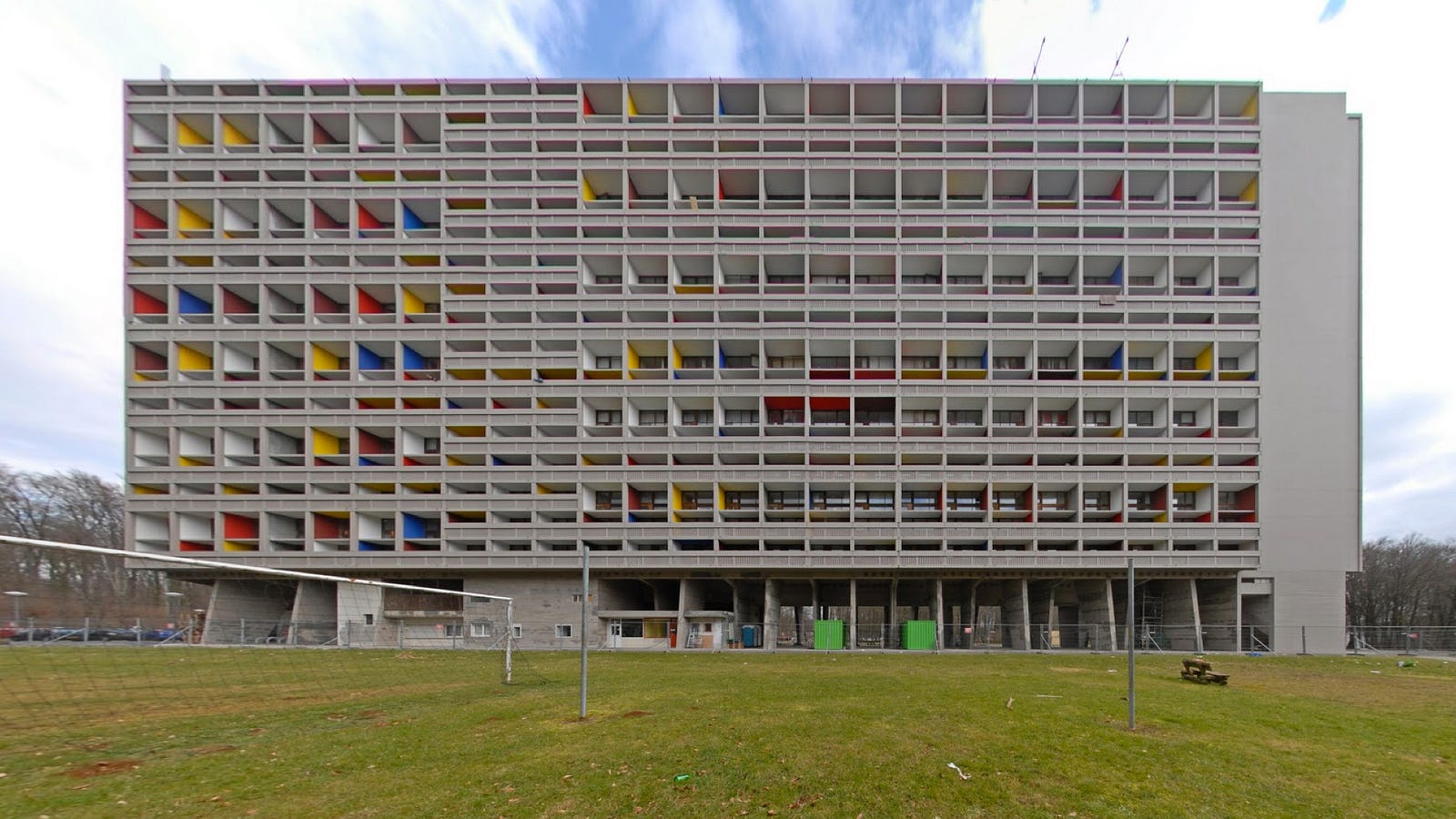
This kind of ahistorical capacity is a very powerful thing. But, in many realms it cannot stand on its own.
As Minimalist and Brutalist architecture suggest, a designer’s effort to optimize a system is not always well-aligned with the true needs of the user, who must often circumvent the system’s design in order to perform their duties within it.
In domains like architecture and design, machine learning can provide a powerful mechanism for seeing beyond of conventional wisdom.
But we still need human architects and designers to mediate, curate and synthesize the machine’s ahistorical insights into creations that will be useful to and understood by humans.

In this sense, we should not think of machine learning as our replacement. We should see it as a kind of mood board, a new source of inspiration.
This article is based on a recent talk I gave as part of The American Institute of Architects’ Technology in Practice “Building Connections Congress 2018” event, which was chaired by Natasha Luthra.